
The Discussion Hour cultural gatherings launched in 2017, continue Anasy goals in presenting an avant-garde kind of intellectual communication, relying on the interaction among the members of the program including university lecturers, professors and specialized researchers, by creating an atmosphere of fun that truly feeds both the intellect and spirit together. Throughout its gatherings, Discussion Hour series prepared and moderated by journalist and media coordinator, Fatma El Nazoury, highlight a number of topics related to the eastern culture and identity.
TOPICS FROM THE SERIES:
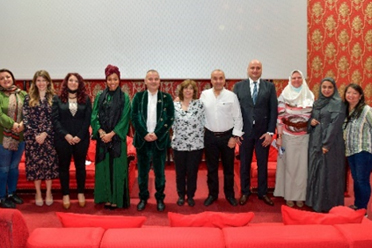
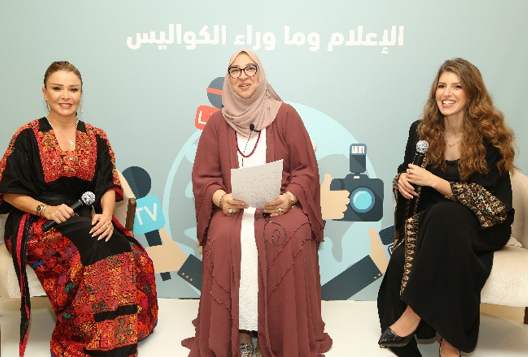
PRESENTED BY: Film Producer & Director & Lecturer Razan Takash
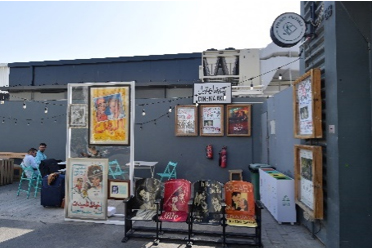
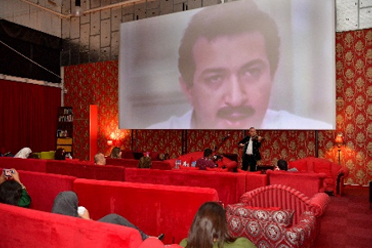
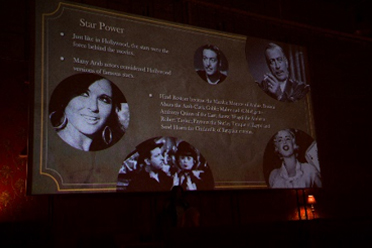
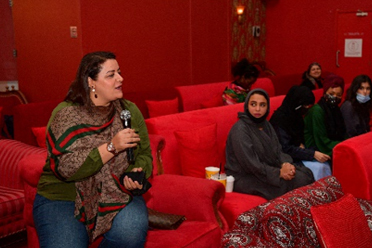
The discussion offered an in-depth look at the defining qualities that shaped Hollywood’s golden age, such as its artistic innovation, iconic stars, and strong cultural influence. The speakers examined how cinema during that era both reflected and shaped societal values, becoming a major force in storytelling and public imagination.
The discussion then drew parallels to the golden age of Egyptian cinema in the 1950s and 1960s, a period marked by creative flourishing, memorable films, and influential actors who played a key role in shaping Arab culture. By highlighting similarities between the two cinematic eras, such as their contributions to national identity, their pioneering techniques, and their lasting cultural impact, the discussion underscored how both Hollywood and Egyptian cinema used film as a powerful medium for expression and social connection.
DATE: 28 February 2022
LOCATION: Cinema Akil, Dubai
PRESENTED BY: Dhekra Ouali
A socio-cultural podcast with tales narrated by Levantine personalities and interspersed with popular Arabic proverbs from the depth of the authentic neighbourhood.
DATE: 15 March 2022
LOCATION: House of Wisdom, Sharjah
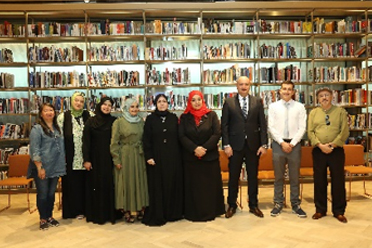
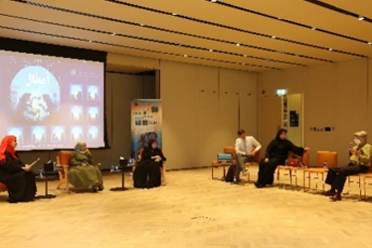
PRESENTED BY: Dr. Ahmed Attia, researcher at the Bibliotheca Alexandrina, Egypt
This discussion hour delves into the art of signatures during the Andalusian era, a period renowned for its rich cultural, literary, and administrative sophistication. Participants will explore how signatures—whether used by scholars, poets, rulers, or scribes—evolved into an expressive art form that blended calligraphy, symbolism, and personal identity. The session will uncover the social and political significance of these signatures, the aesthetic styles that distinguished them, and the ways they reflected intellectual life in Al-Andalus. Through historical examples and expert insights, the discussion highlights how a simple mark on paper became a refined cultural practice that left a lasting legacy in the Arab-Islamic world.
DATE: 29 March 2022
LOCATION: Cultural Foundation, Abu Dhabi
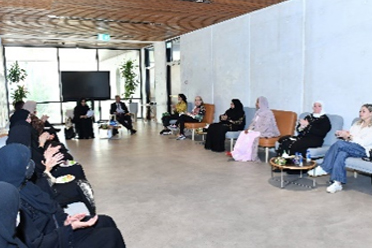
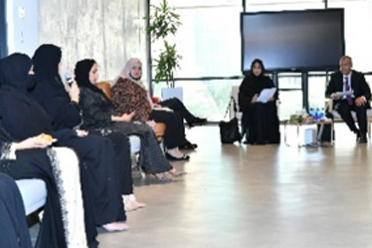
PRESENTED BY: Writer Sana Abu Halil
This discussion explores The Hilali Epic, one of the most important and expansive oral traditions in Arab cultural heritage. The sessions examined the origins of the epic, which recounts the migrations, battles, and legends of the Banu Hilal tribe, and how it evolved into a rich tapestry of poetry, storytelling, and folkloric performance. Participants learnt about the epic’s narrative structure, its symbolic themes of heroism, identity, and tribal conflict, and the role of traditional storytellers who preserved it across generations. By highlighting its historical, literary, and cultural dimensions, the discussion shed light on why The Hilali Epic remains a cornerstone of Arab collective memory and an invaluable example of living oral heritage.
DATE: 22 September 2022
LOCATION: Residence of Sheikha Alyazia Bint Nahyan Al Nahyan
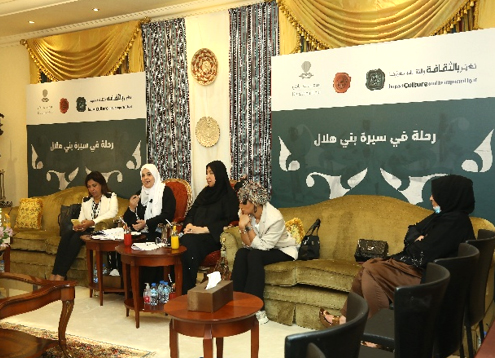
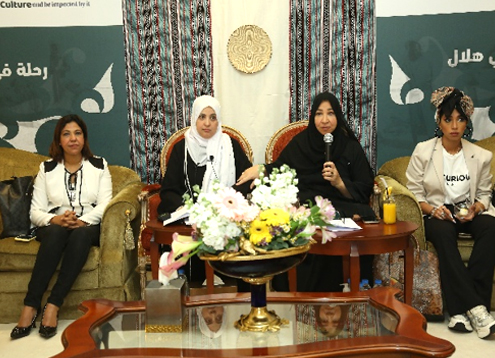
PRESENTED BY: Dr. Ahmed Attia, Head of Research at the Manuscripts Center at the Bibliotheca Alexandrina
In Arab Culture the epithet is considered reverence for elders and an honour for the young. The continual use of the nicknames in Arab life in our time is one is one of the conclusive indications of the individual connection to an authentic heritage, throughout history, the names taken famously hold a strong presence in Arab society. The discussion included a short dialogue with Dr. Ayat Mekki, a solopreneur, healer, life coach and certified neurolinguistics program (NLP) trainer
DATE: 28 January 2024
LOCATION: Manarat Saadyiat, Abu Dhabi
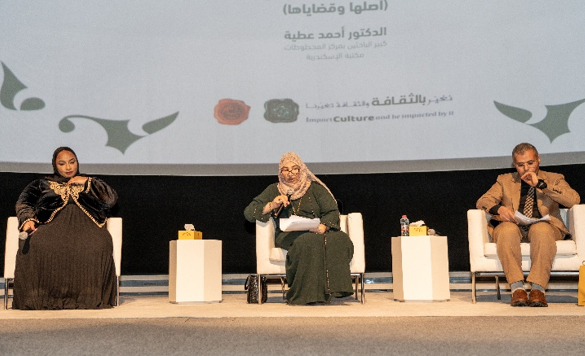
PRESENTED BY: Suzy Sikorski, founder and director of Mid East Art
The session was exploring the groundbreaking artistic movement that emerged in Morocco during the 1960s and 1970s, when a group of visionary artists, architects and designers reimagined the role of creative practice in a rapidly modernizing society. Drawing from Amazigh visual culture, urban life, popular crafts, graphic experimentation and the radical pedagogies that defined the period, the Casablanca School challenged colonial aesthetics and conventional academic boundaries.
Once a historical and forward-looking, “The Casablanca School” highlights a movement that continues to inspire contemporary art, architecture and design, offering a vital lens on creativity, decolonization and the power of collective imagination.
DATE: 26 September 2024
LOCATION: Round Majlis of H.E. Sheikh Nahyan Bin Mubarak Al Nahyan, Abu Dhabi
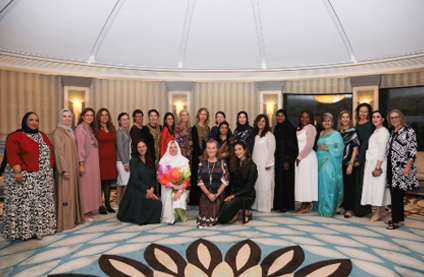
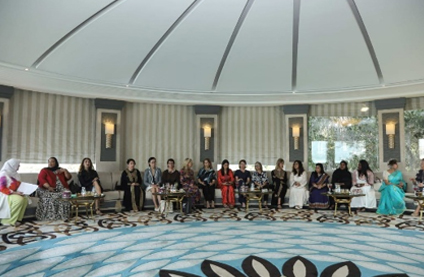
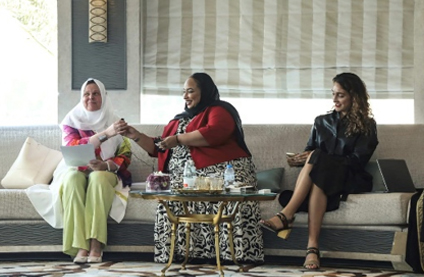
PRESENTED BY: Sheikha Alyazia Bint Nahyan Al Nahyan, First Ambassador for Culture for ALECSO
The session provided an opportunity for the Anwar Gargash Diplomatic Academy’s students and attendees to learn from Sheikha Alyazia’s professional journey and her efforts in serving Arab Culture. It highlighted the role of diplomacy in enhancing the UAE’S cultural standing on the international stage and addressed various topics related to Arab heritage.
DATE: 7 October 2024
LOCATION: Anwar Gargash Diplomatic Academy, Abu Dhabi
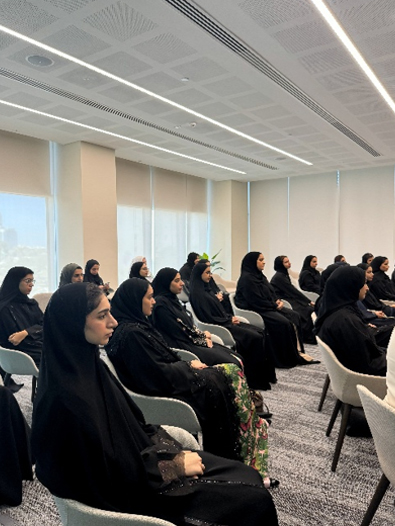
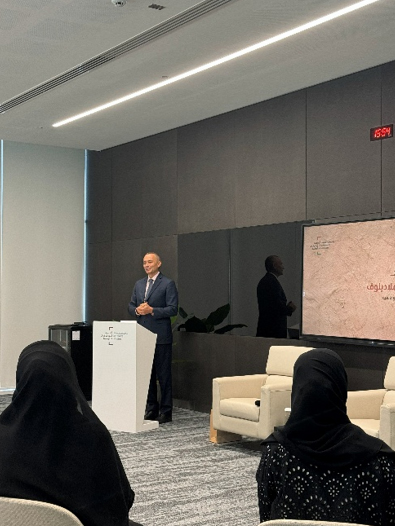
PRESENTED BY: Dr. Zaki Aslan, Professor of Practice at CAAD (a film from the Community Museums Project in Sudan), Dr. Mohammad Mamdouh, Assistant Professor of Architecture and Design at CAAD, Dhekra Ouali, Cultural Advisor
The seminar explored how media and communication strategies can enhance the appreciation of culture, emphasizing youth engagement and innovative storytelling. It covered the role of film, guides and museums in fostering public connection to heritage, showcasing creative approaches to inspire community involvement and cultural preservation.
DATE: 19 November 2024
LOCATION: American University in Sharjah
PRESENTED BY: Dr. Ahmed Attia Senior Researcher in Arabic Heritage - Bibliotheca Alexandrina
Embarking on the quest to discover the ancient palaces of Arabia is a journey through time itself. It leads us to remote corners where history, architecture, and archaeology converge to unravel the secrets of these ancient edifices. These architectural wonders have not only served as symbols of power and authority and focal points of culture and society, but have also played a crucial role in shaping the course of history. As we explore these architectural masterpieces, we encounter a rich tapestry of human history and ingenuity.
The study of Arab palaces provides a vital lens for understanding history beyond conventional political narratives, which often focus on major events and the perspective of the victors. Palaces serve as tangible evidence of past societies, revealing social, cultural, and political dimensions overlooked in textual records. Alongside biographical studies, examining these architectural remnants allows for a more nuanced and holistic understanding of historical processes and the lived experiences of past civilizations.
DATE: 21 January 2025
LOCATION: Bassam Freiha Art Foundation, Abu Dhabi
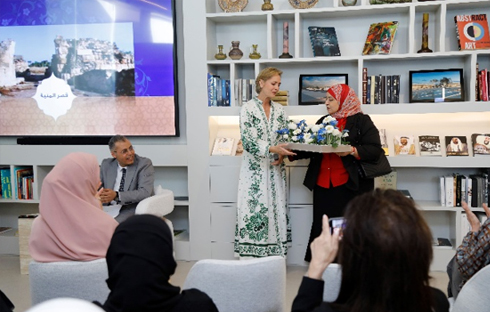
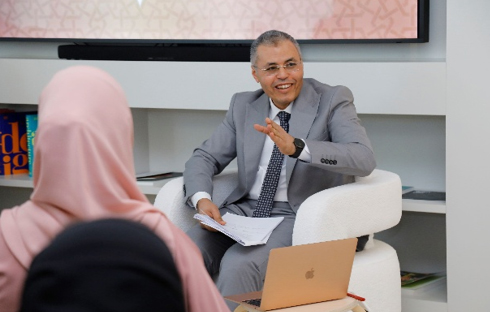
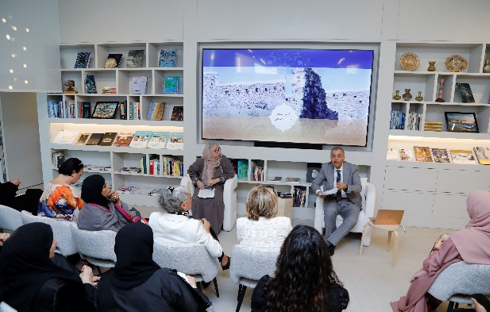
PRESENTED BY: Her Excellency Maria Camilleri Calleja, Ambassador of the Republic of Malta to the United Arab Emirates
The lecture, “Il-Kantilena: The Arabic Roots in the Maltese Language and the Arab-Islamic Era in Malta,” examined Malta’s linguistic evolution and its historical ties to the Arab-Islamic world. Focusing on Il-Kantilena, the oldest known Maltese literary text from the 1400s, the lecture highlighted its Semitic linguistic features and its role as a bridge between Malta’s Arabic heritage and European identity. The event emphasized intercultural dialogue, historical reflection, and the importance of preserving Malta’s unique linguistic and cultural heritage.
DATE: 12 June 2025
LOCATION: Residence of Sheikha Alyazia Bint Nahyan Al Nahyan
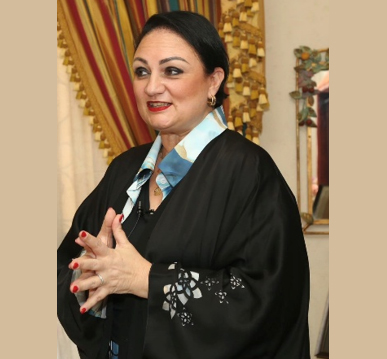
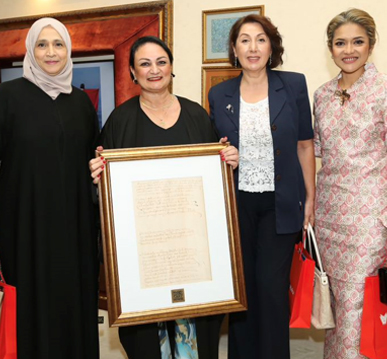
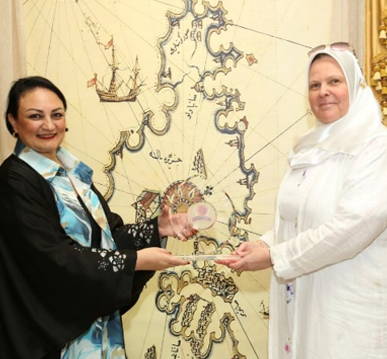
PRESENTED BY: Dr. Alaa Al Taiye
Expressions of joy among Arabs and Muslims are deeply rooted in cultural traditions and religious values that emphasize community, generosity, and gratitude. Celebrations often revolve around social gatherings, shared meals, music, poetry, and traditional dances that vary from one region to another. Islamic occasions such as Eid al-Fitr and Eid al-Adha highlight collective worship, giving to the needy, and visiting family and friends. Life events—including weddings, births, and homecomings—are marked with rituals that blend local customs with broader Arab and Islamic heritage. Across these contexts, joy is expressed not only in festivity but also through acts of kindness, hospitality, and spiritual reflection, underscoring the interconnectedness of cultural identity and religious practice.
DATE: 28 August 2025
LOCATION: Residence of Sheikha Alyazia Bint Nahyan Al Nahyan
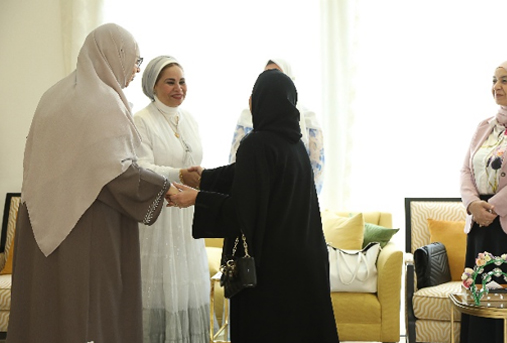
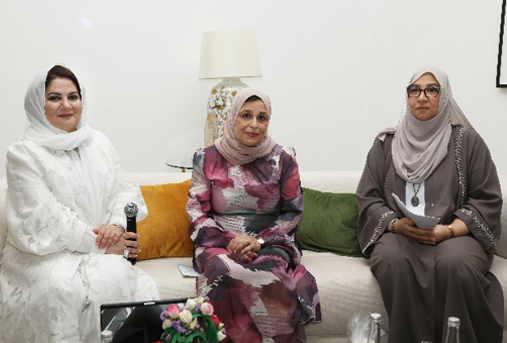
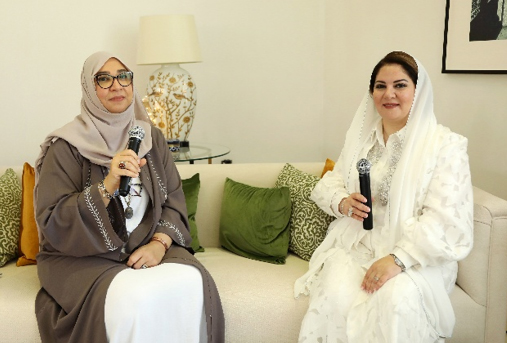
PRESENTED BY: Maysoon Azzam and Shurroq Zakaria
The discussion addressed key aspects of modern journalism, including the criteria for publishing or ignoring news, untold behind-the-scenes stories, and alternative media narratives. It explored the use of artificial intelligence in news reporting, the challenges traditional media face amid competition from faster social media platforms, and ways to leverage AI without compromising credibility. The session also highlighted the hidden difficulties journalists encounter when preparing and publishing human-interest stories.
DATE: 17 November 2025
LOCATION: Residence of Sheikha Alyazia Bint Nahyan Al Nahyan
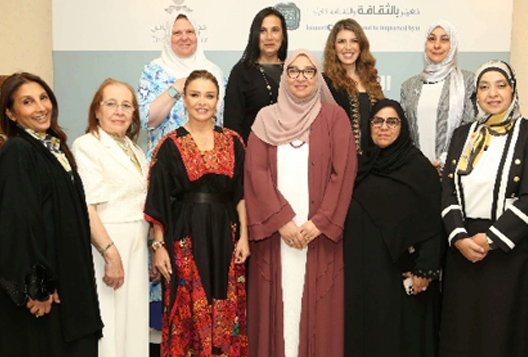
Points of discussion:
- Signs that reflect the existence and prosperity of ancient Arab markets, such as the region’s geography, civilization and culture, religious beliefs, and others.
- The features and characteristics that characterizes the Arab person nowadays, and the extent of their impact on the markets? What is the area of the presence of Arab women in the markets?


Presented by Dr. Parwin Nuri Aref, a senior expert in heritage and university professor.
Points of discussion:
- Is there a common element among the characters of One Thousand and One Nights, such as taking risks or triumphing over falsehood? How did the tales of One Thousand and One Nights employ imagination, and what is the role of imagination in beautifying or changing reality?
- Where did the names of the characters come from? What are the people who are represented in many stories?
- What is the importance of the stories of the One Thousand and One Nights and the secret of their attraction? Why did it become global and out of its local environment?
Prepared and presented by Designer & Curator, Cristina Maria Curciur
Points of discussion:
- Symbols and inscriptions found in these mosques and the secret behind the existence of these symbols. Is its presence intentional and deliberate or coincidence?
- Did the symbols in the mosques help bring people together?


Presented by Professor Ibtihal Al-Jafri
Points of discussion:
- What are the shrines of the people of the household and the righteous saints that you want to visit? Why? To what extent do these religious places reflect the culture and customs of the society to which they belong?
- Some shrines have geometric designs and aesthetic shapes, so is this a major factor behind the tourist attraction, away from the religious dimensions?
The Discussion Hour gathering honoured by the presence of His Excellency Sheikh Nahyan bin Mubarak Al Nahyan, Minister of Tolerance and Coexistence, who gave a speech about the importance of tolerance.
The seminar was attended by Professor Aisha Ahmed Al Hosani
Points of discussion:
- The concept and types of tolerance.
- Why do we tolerate? What are the ways and steps to achieve self-tolerance?
- What is the effect of tolerance on the human psyche?
- How is self-tolerance reflected on the surrounding people and society?


A Panel Discussion about the "Flashes from the History of the Abbasid Islamic Endowment and Andalusia"
Dr. Iman Ahmed Muhammad Khalil Al-Hashemi - Assistant Professor of the Department of Islamic World Studies - College of Humanities and Social Sciences at Zayed University participated in the seminar.
Points of discussion:
- Definition of the endowment, its virtues, its purposes and its types.
- Diversity of endowment images in the Abbasid and Andalusian era, and drawing a picture of the cultural, intellectual and economic level that society achieved by mentioning the testimony of some Western scholars of the well-being and progress that the Arabs achieved.
- How to activate the endowment and benefit from the experiences of the past and the West.
- https://www.livehealthymag.com/we-can-all-learn-something-from-al-waqf/
A group of doctors, professors and specialists were invited to participate in the discussion:
Dr. Iman Al-Hashemi, an Assistant Professor in the Department of Islamic World Studies at the College of Humanities and Social Sciences at Zayed University.
Dr. Alaa Al-Taie, Associate Professor, Department of Sociology, College of Arts, Humanities and Social Sciences at the University of Sharjah.
Dr. Muntaha Al-Ajili, Professor in the College of Education for Human Sciences, Department of History at Diyala University.
Dr. Suad Zayed Al-Arimi, Professor of Sociology at the College of Human Sciences at the Emirates University.
Abdullah Al Muhairi, a researcher in genealogy and local history - member of the content committee, Director of the Emirates Human Genome Project.
Saeed bin Khamis Al Suwaidi, a research expert at the National Archives.
Dr Maryam Muhammad Matar, founder and chairman of the Emirates Genetic Society.
Dr. El-Tayeb Bouazza, Professor of Higher Education at the Regional Centre for Education and Training Professions in Tangiers.
The topic of this seminar required a pause because it represents a goal for all of humanity, as it searches for the origin of creation, creation and identity, and its topic was a focus of interest, study and research in the history of the Arabs, in order to document part of the history and identity in a literary and scientific manner, in contrast to the prevailing stereotype.
The date of the discussion sought to present a rich scientific research material worthy of being presented to university officials to assure them that the time has come to return to the study of this science as a branch of the human sciences, a science that was once of great importance to the Arabs because it enhances our identity and Arabism, and to assure the whole world that we are a civilized state interested in science, and to apply the saying and title of the episode, genealogy introduces the characteristic of cultural and scientific prosperity.


